Romes Wellness
21 Day Divorce - Breakup Reset Retreat: Rebuild. Recenter. Rise.
You’re not broken. You’re becoming.”
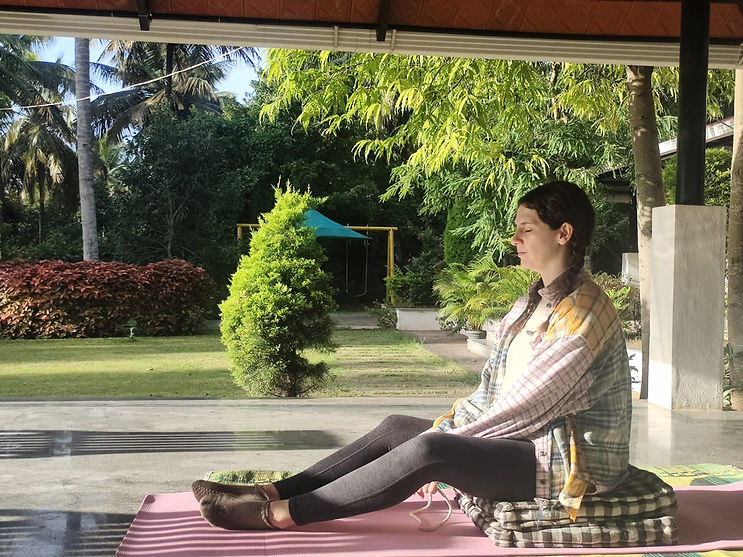
It’s not about divorce. It’s about rediscovering yourself.
Most people think divorce is just a legal process.
But in truth, it’s one of life’s biggest emotional, mental, and spiritual upheavals.
This retreat offers a safe, peaceful, and powerful space to pause, heal, and begin again.
A Safe Space to Feel and Heal
You don’t need to pretend to be “okay” here.
You’re allowed to cry, reflect, laugh, and rest.
This space is designed with care to hold your emotions gently — no judgment, no pressure.
What This Retreat Offers:
Emotional support & trauma-informed guidance
Tools for rebuilding identity, self-worth, and structure
Breath, movement, and meditative stillness to regulate the body
Personal empowerment in finances, decision-making & communication
Understanding & healing the impact of divorce on children and relationships
Community & confidentiality — no judgment, only support
A safe place to close one chapter and open another
Core Themes & Flow:
A Journey from Emotional Pain to Inner Strength, Independence & New Beginnings
1. Releasing the Past: Grief, Guilt & Unspoken Pain
Healing begins with acknowledging the emotions, memories and unresolved experiences that remain after a divorce, separation or painful relationship. Participants are gently guided towards understanding loss, the grieving process, guilt and the emotional burden of unspoken pain. Through private conversations, reflective silence, therapeutic journaling and symbolic release rituals, individuals explore what they have been carrying and what they are ready to let go of. The emphasis is not on forgetting the past but on accepting its place in one's life without allowing it to define the future.
2. Psychological Processing & Nervous System Regulation
Emotional distress can affect the mind, body, sleep, concentration and sense of safety. This part of the retreat introduces gentle breathwork, restorative and Yin Yoga, body-awareness practices and guided meditation to support emotional regulation and relaxation. Participants explore ways to respond to anxiety, distressing memories, shame, loneliness and uncertainty about the future. Personalised sessions encourage greater awareness of emotional triggers, healthier coping responses and the gradual rebuilding of inner stability. Solitude is explored not as abandonment but as an opportunity for reflection, self-understanding and personal growth.
3. Identity Rebirth: Who Am I Now?
Divorce and separation often challenge the identity individuals have built around marriage, partnership, family responsibilities and social expectations. This journey invites participants to rediscover themselves beyond the roles they have fulfilled for others. Through guided journaling, meaningful conversations and self-reflection, they reconnect with personal values, forgotten aspirations, individual strengths and their authentic voice. Special attention is given to releasing guilt-based conditioning and developing a renewed vision of life. The central question becomes not merely who they were before the relationship, but who they consciously choose to become.
4. Sacred Anger, Acceptance & Forgiveness
Anger is often misunderstood as a negative emotion, yet it can reveal violated boundaries, unmet needs, injustice and suppressed personal truth. Participants learn to recognise anger without judgement and explore constructive ways of expressing it through movement, reflective writing, breath awareness and appropriate voice-expression exercises. Forgiveness is approached as a personal choice rather than an obligation, and never as justification for harmful behaviour. The retreat encourages individuals to move towards acceptance, emotional freedom and peace, even when apologies, explanations or complete closure are unavailable.
5. Reconnecting with the Body, Joy & Sensory Wellbeing
Painful relationships and prolonged emotional stress can create a sense of disconnection from the body, personal appearance, physical comfort and everyday enjoyment. This phase focuses on rebuilding a respectful, compassionate relationship with one's physical self. Gentle movement, mindful nourishment, restorative practices, sensory awareness and self-care rituals help participants reconnect with comfort, vitality and the simple pleasures of living. Personal boundaries, bodily autonomy and emotional safety remain central throughout. The intention is to rediscover joy, confidence and a sense of belonging within one's own body without pressure or expectations.
6. Family, Children & Social Relationships
Separation often affects an entire network of relationships, including children, parents, in-laws, mutual friends and extended family. Participants explore practical and emotionally sensitive ways of navigating these changing dynamics while maintaining dignity and healthy boundaries. Discussions may include supporting children through family transitions, managing parental guilt, understanding co-parenting challenges, redefining family responsibilities and communicating difficult decisions without shame. Attention is also given to identifying supportive relationships, handling unwanted social judgement and creating a healthier circle of trust and belonging.
7. Financial Independence & Practical Life Rebuilding
Emotional recovery becomes more sustainable when accompanied by practical stability and confidence in everyday decision-making. This part of the retreat encourages participants to review their financial circumstances, understand personal spending patterns, establish realistic budgets and explore opportunities for education, employment, entrepreneurship or supplementary income. Sessions also address household responsibilities, time management, parenting routines and the development of a structured daily lifestyle. The objective is to strengthen personal independence, decision-making abilities and confidence in managing life without unnecessary dependence on a former partner.
8. Rebuilding Trust in Self, Life & Love
After betrayal, emotional manipulation or the breakdown of a significant relationship, trusting oneself and others may feel difficult. Participants explore the difference between healthy emotional intimacy and patterns of dependency, fear, control or repeated disappointment. Through guided self-inquiry, boundary-setting exercises and small achievable daily commitments, they gradually strengthen self-trust and personal discernment. Optional discussions address the possibility of future relationships, emotional readiness and recognising compatibility. The focus remains on approaching life and love with awareness and confidence rather than allowing previous experiences to determine future choices.
9. Identity, Self-Worth & Confidence Restoration
Rebuilding self-worth involves recognising that personal value is not determined by marital status, relationship history, social approval or another person's acceptance. This phase encourages participants to rediscover their individuality through confidence-building exercises, communication workshops, personal presentation, voice expression and opportunities for meaningful social engagement. They explore how to reconnect with friendships, professional ambitions, interests and community life without comparison or the pressure to prove themselves. Optional sessions on dating and future companionship address emotional safety, healthy boundaries, personal values and the importance of making conscious relationship choices.
10. Integration, Closure & A New Beginning
The final stage brings together the insights, experiences and practical tools developed throughout the retreat. Each participant receives a personalised one-on-one vision-setting session to identify meaningful priorities, realistic goals and supportive daily practices for life after the retreat. Reflective journaling, meditation and symbolic closure activities encourage participants to acknowledge their progress and approach the future with greater clarity. Where appropriate, shared reflection may be offered, while maintaining the privacy and individual nature of the retreat. Participants leave with a personalised self-support plan incorporating Yoga, meditation, emotional awareness, healthy routines, boundaries and practical steps towards independent living.
The purpose of this 21-day journey is not to erase the past or rush the process of healing. It is to help individuals rediscover their dignity, reconnect with their inner strength and recognise that the end of a relationship does not mean the end of a meaningful life. It can become the beginning of a more conscious, independent and fulfilling chapter.
All practices are personalised according to individual comfort, readiness and wellbeing. This wellness retreat offers supportive practices and education, not a substitute for licensed psychological or psychiatric treatment when clinically indicated.